Empowering Peace Champions: Refresher Trainings in Bungoma & Kisumu
Bungoma and Kisumu Counties
Peace and Governance

Strengthening Non-Violent Advocacy, Governance, and Community Resilience under the CPS Project.
Building a Culture of Peace Through Strategy and Solidarity
Peace is not just the absence of conflict; it is the presence of justice, accountability, and resilient communities. Recently, the CPS project convened two transformative refresher trainings in Bungoma and Kisumu counties. These five-day convenings brought together dedicated peace champions to sharpen their strategies, prioritize mental wellbeing, and design concrete interventions for real-world community challenges.
Event Spotlight: Bungoma County
Theme: Renewal, Digital Peacebuilding, and MHPSS
Location: St. Patrick Pastoral Centre, Kabula
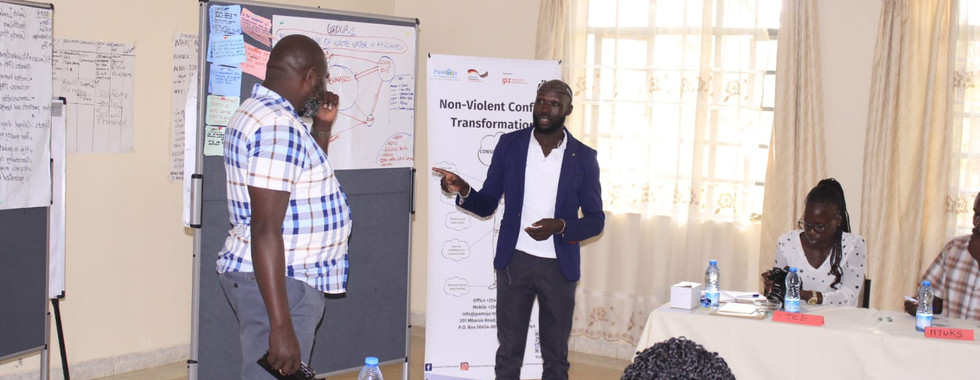
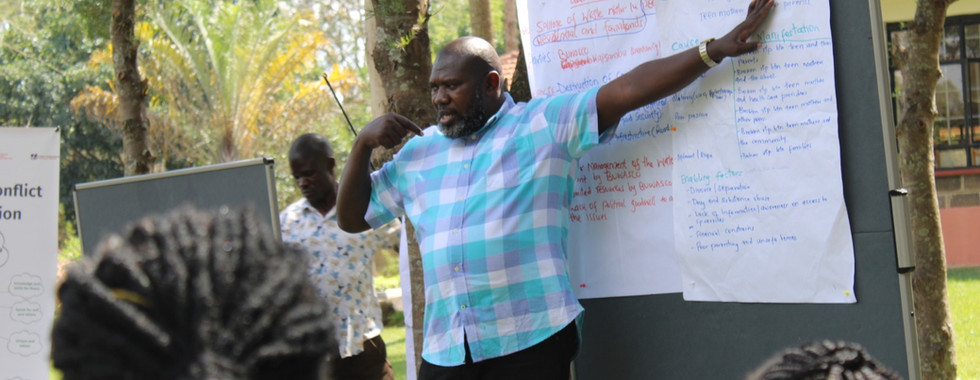
The Bungoma Refresher Training was designed as a powerful space for collective growth. Participants moved beyond theory to unpack real community challenges, ranging from healthcare service delivery gaps to drainage disputes and road safety concerns.

Key Highlights:

Conflict vs. Violence: Participants sharpened their ability to distinguish between conflict and violence, designing strategic, non-violent responses to local issues.
Digital & Creative Advocacy: The training explored modern avenues for peace, including digital tools, theatre, and creative expression.
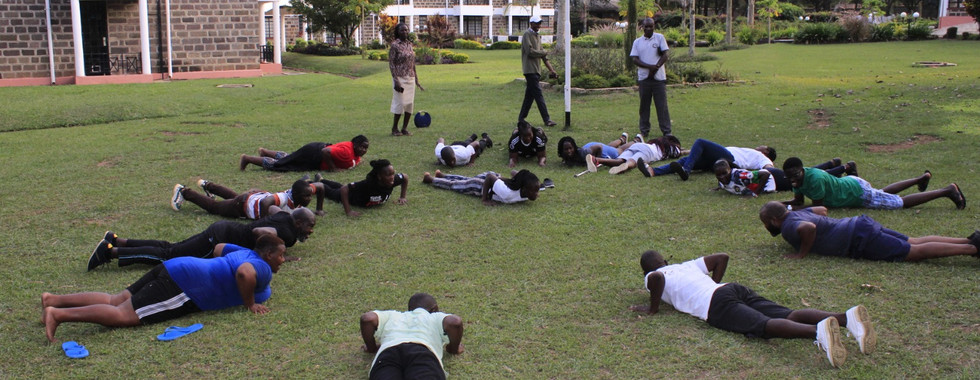
Centering Wellbeing: A major focus was placed on Mental Health and Psychosocial Support (MHPSS). Interactive sessions on emotional awareness and Psychological First Aid created a safe space for reflection and healing.

The Outcome: By the close of the training, every participant had developed a practical, community-based intervention plan. The result was not just strengthened knowledge, but renewed confidence and a bold commitment to non-violent transformation.
Event Spotlight: Kisumu County
Theme: Strategic Analysis, Accountability, and Impact Assessment
Location: Ukweli Pastoral Centre

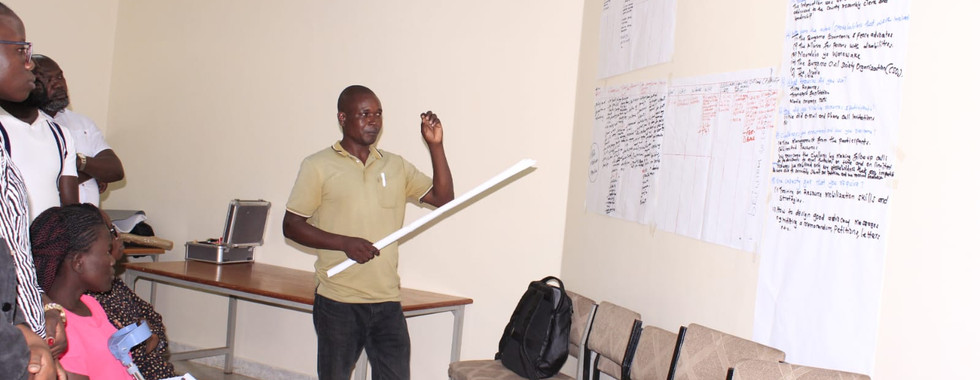
The Kisumu NVCT Refresher Training brought together 20 dedicated Peace Advocates selected through a competitive process. This training was designed to revisit past interventions, critically assess impact, and deepen accountability.
Addressing Real-World Conflicts

Participants utilized practical tools such as Problem Tree Analysis, Actor Mapping, and the Position–Interest–Needs framework to tackle complex local issues, including:
1. Tensions between county askaris and informal traders.
2. Political intolerance among aspirants.
3. Disputes over public facility management.
4. Competition within transport sectors.
The MHPSS Integration
A defining feature of the Kisumu training was the integration of Mental Health into peacebuilding. Participants explored burnout in advocacy spaces, reinforcing the understanding that sustainable peacebuilding requires emotionally resilient advocates.
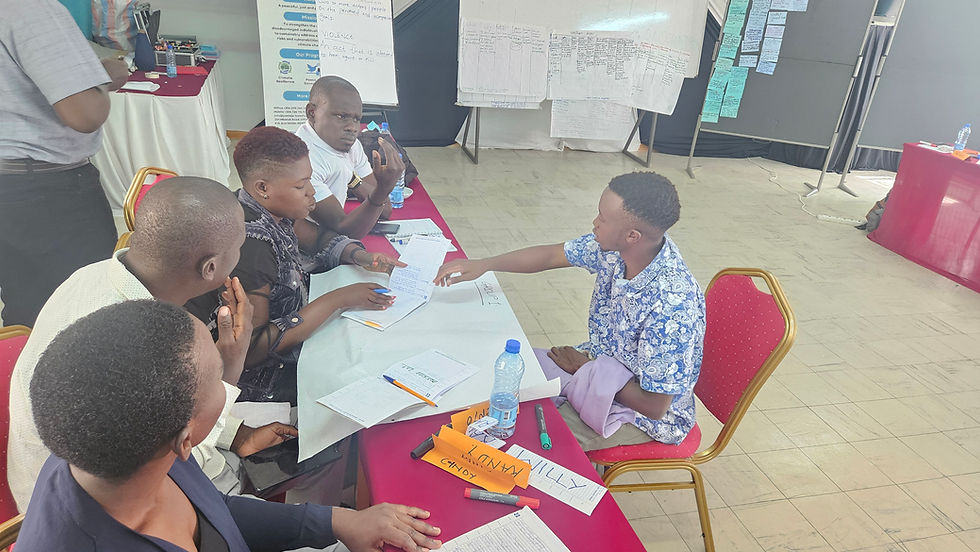
The Outcome: Sub-county teams left with concrete, realistic intervention plans complete with timelines, key actors, and accountability mechanisms. Post-training evaluations showed significant achievements in conflict analysis and governance advocacy.
Shared Impact & Key Takeaways
Across both counties, the trainings achieved more than just skills transfer; they reaffirmed the purpose of the peace champions.
1. From Reaction to Strategy: Moving beyond surface-level reactions to thoughtful, non-violent approaches rooted in dialogue and mediation.
2. Holistic Peacebuilding: Proving that technical advocacy skills must be paired with emotional resilience and mental health support.
3. Action-Oriented: Every session concluded with actionable plans ready for immediate implementation in the community.
Kisumu Training Gallery

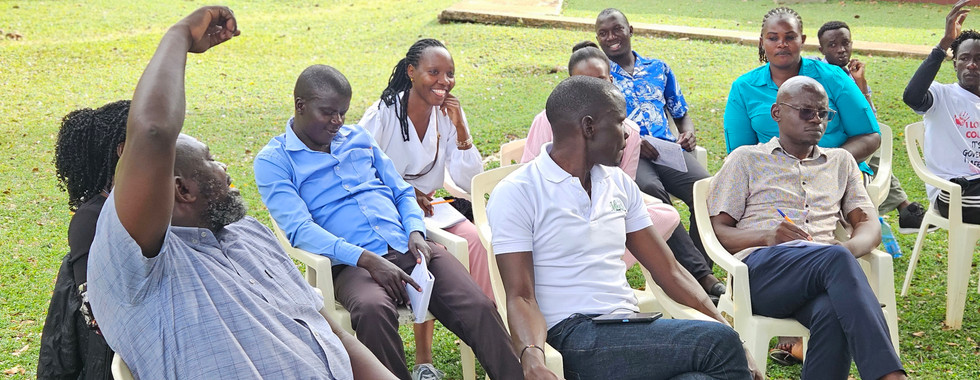








Bungoma Training Gallery